Palette styles new do not delete
Guardian weekly thrasher


Guardian weekly
-
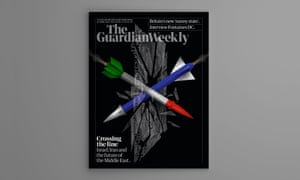 What next for the Middle East? Plus: Paris prepares for the Olympic Games.
-
 Subscribe to a clearer, global perspective on the issues shaping our world
 -
 Subscribe to The Guardian Weekly and enjoy seven days of international news in one magazine with worldwide delivery.
Guardian Weekly at 100
-
 Our seven-day print edition was first published on this day in 1919
 -
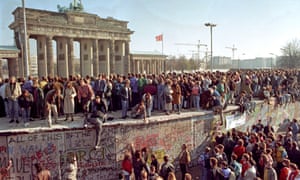 Our weekly print magazine is celebrating a century of news. Here’s how it covered the Apollo 11 landings; Northern Ireland’s Bloody Sunday; Hillsborough; the fall of the Berlin Wall and Rwanda’s genocide
 -
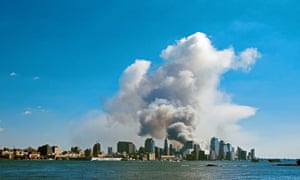 Our weekly print news magazine is celebrating its centenary. Here’s how it covered big events of the past two decades including 9/11, the Arab Spring and Trump’s victory
Readers around the world
History of Guardian weekly
-
 The Guardian Weekly editor Will Dean on the transformation of our century-old international weekly newspaper into a weekly news magazine
 -
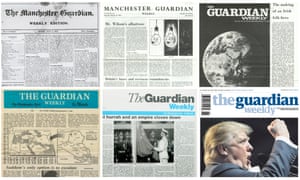 For almost a century, the Guardian Weekly has carried the Guardian’s liberal news voice to a global readership. Taken from the GNM archives, these pictures chart the paper’s life and times from 1919 to the present day
 -
 Since the end of the first world war, the Weekly has delivered the liberal Guardian perspective to a global readership

In pictures
-
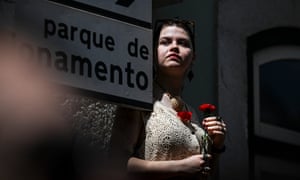 Thousands in Lisbon celebrated the 50th anniversary on Thursday of Portugal’s Carnation Revolution, which toppled the longest fascist dictatorship in Europe and ushered in democracy. The almost bloodless revolution was conducted by a group of junior army officers who wanted democracy and to put an end to long-running wars against independence movements in African colonies
 -
 The Guardian’s picture editors select photographs from around the world
-
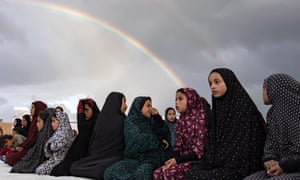 Muslims mark the start of the three-day festival that signals the end of the holy month of Ramadan
 -
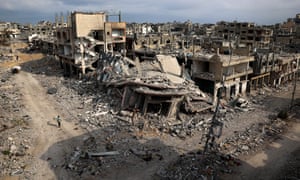 After withdrawal of Israeli forces from parts of southern Gaza, displaced Palestinians are starting to return to devastated city of Khan Younis
 -
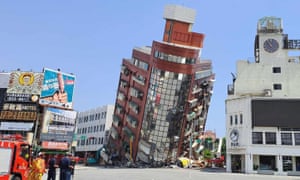 Taiwan’s strongest earthquake in 25 years has killed at least nine and injured hundreds, causing building collapses, power outages and landslides on the island
 -
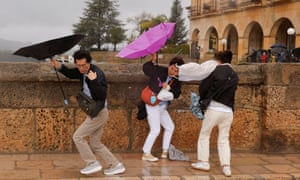 Torrential rain forced the cancellation of Good Friday processions through Seville and other holy week parades, from Cádiz in the south-west to Zaragoza in the north
Regulars
-
This reader found the Weekly to be an ideal travelling companion
-
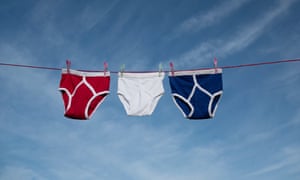 The long-running series in which readers answer other readers’ questions on subjects ranging from trivial flights of fancy to profound scientific and philosophical concepts
 -
Dominic Cummings: maverick or mishmash; Irish election fallout
Puzzles
-
 Leonard Barden on ChessChess: Gukesh, 17, shocks favourites to become youngest challenger for titleThe Chennai teenager won the Candidates by just half a point and will take on China’s Ding Liren for the world crown in a 14-game series later this year
 -
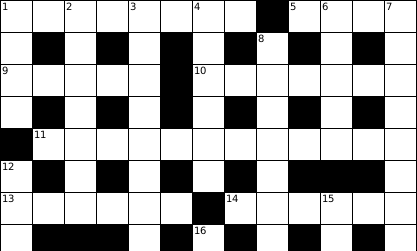
 Cryptic crossword No 29,367
 -
-
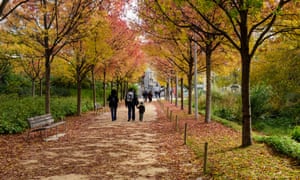 Urbanist Carlos Moreno on how his concept is transforming French life and what is hindering change across the Channel
 -

-
 First payments to be made during an ongoing conflict is ‘important step towards restoring justice’, says first lady, Olena Zelenska
 -
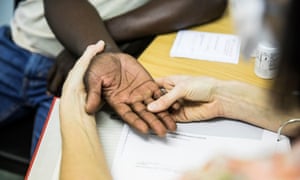 Exclusive: MSF calls for transparency after its bill for a trial of TB treatment came to a fraction of the billions claimed by pharmaceutical companies
 -
Culture
-
 Cancellation of World Voices festival comes days after organization cancelled 2024 edition of its annual awards ceremony
 -
 US activist, 69, speaks to NBC amid growing effort to prevent I Am Ruby Bridges and other works being available to school students
 -
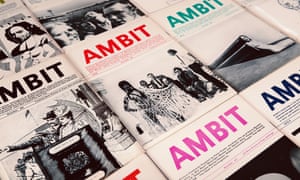

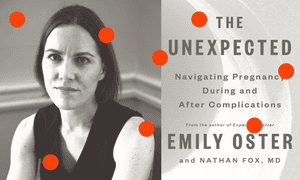
Long reads
-
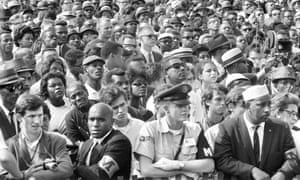 Organising is a kind of alchemy: it turns alienation into connection, despair into dedication, and oppression into strength. By Astra Taylor and Leah Hunt-Hendrix
 -
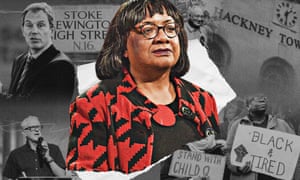 The long read: Britain’s first black female MP faced hostility from the media and political establishment from the start. Nearly 40 years on, she is still not giving up
 -
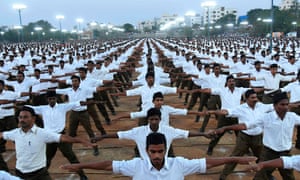 From 2020: For seven decades, India has been held together by its constitution, which promises equality to all. But Narendra Modi’s BJP is remaking the nation into one where some people count as more Indian than others. By Samanth Subramanian
Most viewed
Guardian Weekly's global community
Guardian Weekly's global community