Palette styles new do not delete
Guardian weekly thrasher


Guardian weekly
-
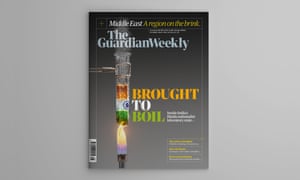 India’s Hindu nationalist testing ground. Plus: Middle East on the brink
 -
 Subscribe to a clearer, global perspective on the issues shaping our world
 -
 Subscribe to The Guardian Weekly and enjoy seven days of international news in one magazine with worldwide delivery.
Guardian Weekly at 100
-
 Our seven-day print edition was first published on this day in 1919
 -
 Our weekly print magazine is celebrating a century of news. Here’s how it covered the Apollo 11 landings; Northern Ireland’s Bloody Sunday; Hillsborough; the fall of the Berlin Wall and Rwanda’s genocide
 -
 Our weekly print news magazine is celebrating its centenary. Here’s how it covered big events of the past two decades including 9/11, the Arab Spring and Trump’s victory
Readers around the world
History of Guardian weekly
-
 The Guardian Weekly editor Will Dean on the transformation of our century-old international weekly newspaper into a weekly news magazine
 -
 For almost a century, the Guardian Weekly has carried the Guardian’s liberal news voice to a global readership. Taken from the GNM archives, these pictures chart the paper’s life and times from 1919 to the present day
 -
 Since the end of the first world war, the Weekly has delivered the liberal Guardian perspective to a global readership

In pictures
-
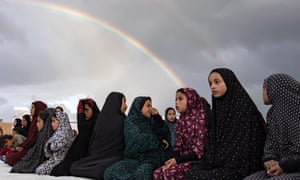 Muslims mark the start of the three-day festival that signals the end of the holy month of Ramadan
 -
 After withdrawal of Israeli forces from parts of southern Gaza, displaced Palestinians are starting to return to devastated city of Khan Younis
-
 Taiwan’s strongest earthquake in 25 years has killed at least nine and injured hundreds, causing building collapses, power outages and landslides on the island
 -
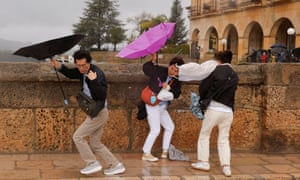 Torrential rain forced the cancellation of Good Friday processions through Seville and other holy week parades, from Cádiz in the south-west to Zaragoza in the north
 -
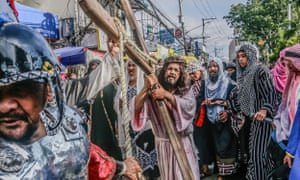 Colourful Easter processions and solemn re-enactments of the crucifixion of Jesus Christ take place across globe
 -
 Those celebrating rejoice by throwing coloured powders at one another. The festival marks the start of spring and is marked in India, Nepal and around the world
Regulars
-
This reader found the Weekly to be an ideal travelling companion
-
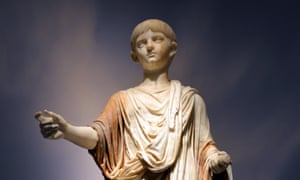 The long-running series in which readers answer other readers’ questions on subjects ranging from trivial flights of fancy to profound scientific and philosophical concepts
 -
Dominic Cummings: maverick or mishmash; Irish election fallout
Puzzles
-
 With just the final two rounds to come, Ian Nepomniachtchi, Hikaru Nakamura and Gukesh Domaraju share the lead while the world No2 , Fabiano Caruana, is half a point behind
 -
 Cryptic crossword No 29,361
 -

-
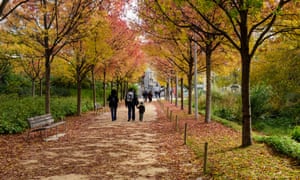 Urbanist Carlos Moreno on how his concept is transforming French life and what is hindering change across the Channel
 -

-
 Critics condemn ‘reckless and cruel’ expulsions and say deportees likely to be targeted by armed gangs who control much of country
 -
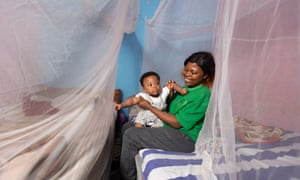 Changing the mixture of insecticide used in the netting has proved effective in fight against the disease that killed 600,000 in 2022
 -
Culture
-
 He performed at Prince Harry and Meghan Markle’s wedding and was offered an MBE before he turned 30 – but the writer is ready to head in a more radical direction
 -
 The drawer of doom …
 -
-
4 out of 5 stars.



Long reads
-
 As the author of a book about a pivotal uprising in 18th-century Jamaica, Vincent Brown was enlisted in a campaign to make its leader a national hero. But when he arrived in Jamaica, he started to wonder what he had got himself into
 -
 The long read: When I heard that a boy from my primary school had been convicted of trafficking, I had to find out what had happened to make him fall so far
 -
 From 2021: Flordelis grew up in a Rio favela, but rose to fame after adopting more than 50 children, becoming a hugely successful gospel singer and winning a seat in congress. And now she is on trial for murder. By Tom Phillips
Most viewed
Guardian Weekly's global community
Guardian Weekly's global community