Palette styles new do not delete
Guardian weekly thrasher


Guardian weekly
-
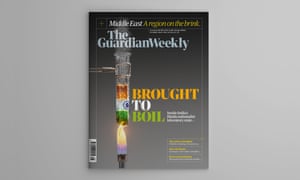 India’s Hindu nationalist testing ground. Plus: Middle East on the brink
 -
 Subscribe to a clearer, global perspective on the issues shaping our world
 -
 Subscribe to The Guardian Weekly and enjoy seven days of international news in one magazine with worldwide delivery.
Guardian Weekly at 100
-
 Our seven-day print edition was first published on this day in 1919
 -
 Our weekly print magazine is celebrating a century of news. Here’s how it covered the Apollo 11 landings; Northern Ireland’s Bloody Sunday; Hillsborough; the fall of the Berlin Wall and Rwanda’s genocide
 -
 Our weekly print news magazine is celebrating its centenary. Here’s how it covered big events of the past two decades including 9/11, the Arab Spring and Trump’s victory
Readers around the world
History of Guardian weekly
-
 The Guardian Weekly editor Will Dean on the transformation of our century-old international weekly newspaper into a weekly news magazine
 -
 For almost a century, the Guardian Weekly has carried the Guardian’s liberal news voice to a global readership. Taken from the GNM archives, these pictures chart the paper’s life and times from 1919 to the present day
 -
 Since the end of the first world war, the Weekly has delivered the liberal Guardian perspective to a global readership

In pictures
-
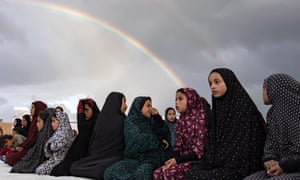 Muslims mark the start of the three-day festival that signals the end of the holy month of Ramadan
 -
 After withdrawal of Israeli forces from parts of southern Gaza, displaced Palestinians are starting to return to devastated city of Khan Younis
-
 Taiwan’s strongest earthquake in 25 years has killed at least nine and injured hundreds, causing building collapses, power outages and landslides on the island
 -
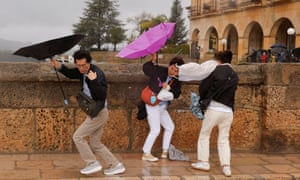 Torrential rain forced the cancellation of Good Friday processions through Seville and other holy week parades, from Cádiz in the south-west to Zaragoza in the north
 -
 Colourful Easter processions and solemn re-enactments of the crucifixion of Jesus Christ take place across globe
 -
 Those celebrating rejoice by throwing coloured powders at one another. The festival marks the start of spring and is marked in India, Nepal and around the world
Regulars
-
This reader found the Weekly to be an ideal travelling companion
-
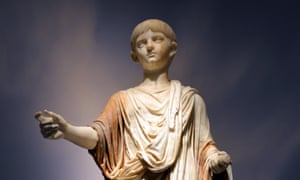 The long-running series in which readers answer other readers’ questions on subjects ranging from trivial flights of fancy to profound scientific and philosophical concepts
 -
Dominic Cummings: maverick or mishmash; Irish election fallout
Puzzles
-
 Leonard Barden on ChessChess: Nepomniachtchi bids for third Candidates victory as Indian trio shineThe 33-year-old Russian, a defeated world title challenger in 2021 and 2023, is in line for a third attempt as he leads in Toronto at halfway in the 14-round event
 -
 Cryptic crossword No 29,360
 -

-
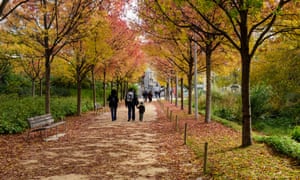 Urbanist Carlos Moreno on how his concept is transforming French life and what is hindering change across the Channel
 -


-
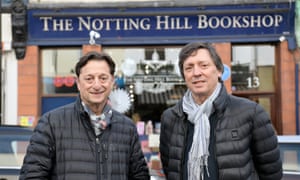
 Changing the mixture of insecticide used in the netting has proved effective in fight against the disease that killed 600,000 in 2022
 -
 Pressure piles on World Bank and IMF to steer countries to low-carbon transition at spring summit
 -
Culture
-
4 out of 5 stars.
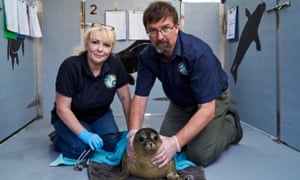
Wildlife Rescue review – totally adorable TV you’ll want to watch for years to come
4 out of 5 stars.This super cute show about an animal hospital will have you crying happy tears from the off. And just wait till you meet the seal pups! -
2 out of 5 stars.

Abigail review – Dracula’s daughter gets kidnapped in fun-sucking horror
2 out of 5 stars.There’s some low-stakes pleasure to be had in the first half of the gory new film from the team behind Ready or Not and Scream but things fall apart disastrously -



Long reads
-
 The long read: When I heard that a boy from my primary school had been convicted of trafficking, I had to find out what had happened to make him fall so far
 -
 From 2021: Flordelis grew up in a Rio favela, but rose to fame after adopting more than 50 children, becoming a hugely successful gospel singer and winning a seat in congress. And now she is on trial for murder. By Tom Phillips
 -
 The long read: It is taking fast fashion to ever faster and ever cheaper extremes, and making billions from it. Why is the whole world shopping at Shein?
Most viewed
Guardian Weekly's global community
Guardian Weekly's global community